
Utilizing Local Fence Companies and the Enduring Qualities of Vinyl Fencing
Vinyl fencing has become a popular choice among homeowners seeking durability, attractive design, and manageable upkeep. Unlike materials that require frequent painting, staining, or protection from corrosion, vinyl provides a practical solution for defining property boundaries while maintaining a polished appearance. Working with local fence companies can also help homeowners choose materials and designs that are appropriate for their property, neighborhood, and climate. Understanding the benefits, available styles, installation process, and maintenance requirements can make it easier to determine whether vinyl fencing is the right long-term investment.
The Durability and Longevity of Vinyl Fencing
Vinyl fencing is known for its durability compared with many traditional fencing materials. It does not rust like certain metals, and it is not vulnerable to rot or insect damage in the same way untreated wood can be. According to Better Homes & Gardens, vinyl fences can last up to 30 years, making them a potentially long-lasting option when properly installed and maintained. Their resistance to moisture can be especially valuable in areas that regularly experience rain, humidity, or changing seasonal conditions.
A long service life can reduce the need for premature replacement and the costs associated with repeatedly repairing deteriorating fencing. Quality vinyl products are designed to tolerate ordinary exposure to sunlight, precipitation, and temperature changes without requiring extensive protective treatments. Proper installation remains important because secure posts and correctly positioned panels help the entire system withstand wind, shifting soil, and everyday use.
Low Maintenance Requirements
One of the most appealing characteristics of vinyl fencing is its relatively simple maintenance routine. Wood may require staining, sealing, or painting to preserve its appearance, while metal fencing can sometimes require treatment for corrosion. Vinyl generally needs occasional washing to remove dirt, pollen, grass clippings, and other surface contaminants. Homeowners can often handle routine cleaning with mild soap, water, and a soft sponge or cloth.
This low-maintenance quality can save both time and money throughout the fence's lifespan. Homeowners do not have to regularly purchase paint, stain, or sealant simply to preserve the material. Periodic inspections are still recommended, particularly after storms or landscaping work, because identifying loose components or minor damage early can prevent more extensive problems later.
Aesthetic Versatility for Different Properties
Modern vinyl fencing is available in numerous styles, colors, heights, and textures. Homeowners can choose designs that complement traditional, contemporary, rural, or transitional architecture. Some products are manufactured with textured surfaces intended to resemble painted wood, while others feature clean lines and smooth finishes. Decorative post caps, lattice sections, and coordinated gates provide additional opportunities for customization.
Experienced local fence companies can help homeowners compare styles according to the appearance of the house, landscaping, and surrounding neighborhood. Selecting appropriate proportions is also important. A tall privacy fence may work well around a backyard, while a shorter picket design can define a front yard without making the property feel enclosed. Thoughtful design allows fencing to function as both a practical boundary and an architectural feature.
Privacy, Picket, and Semi-Privacy Designs
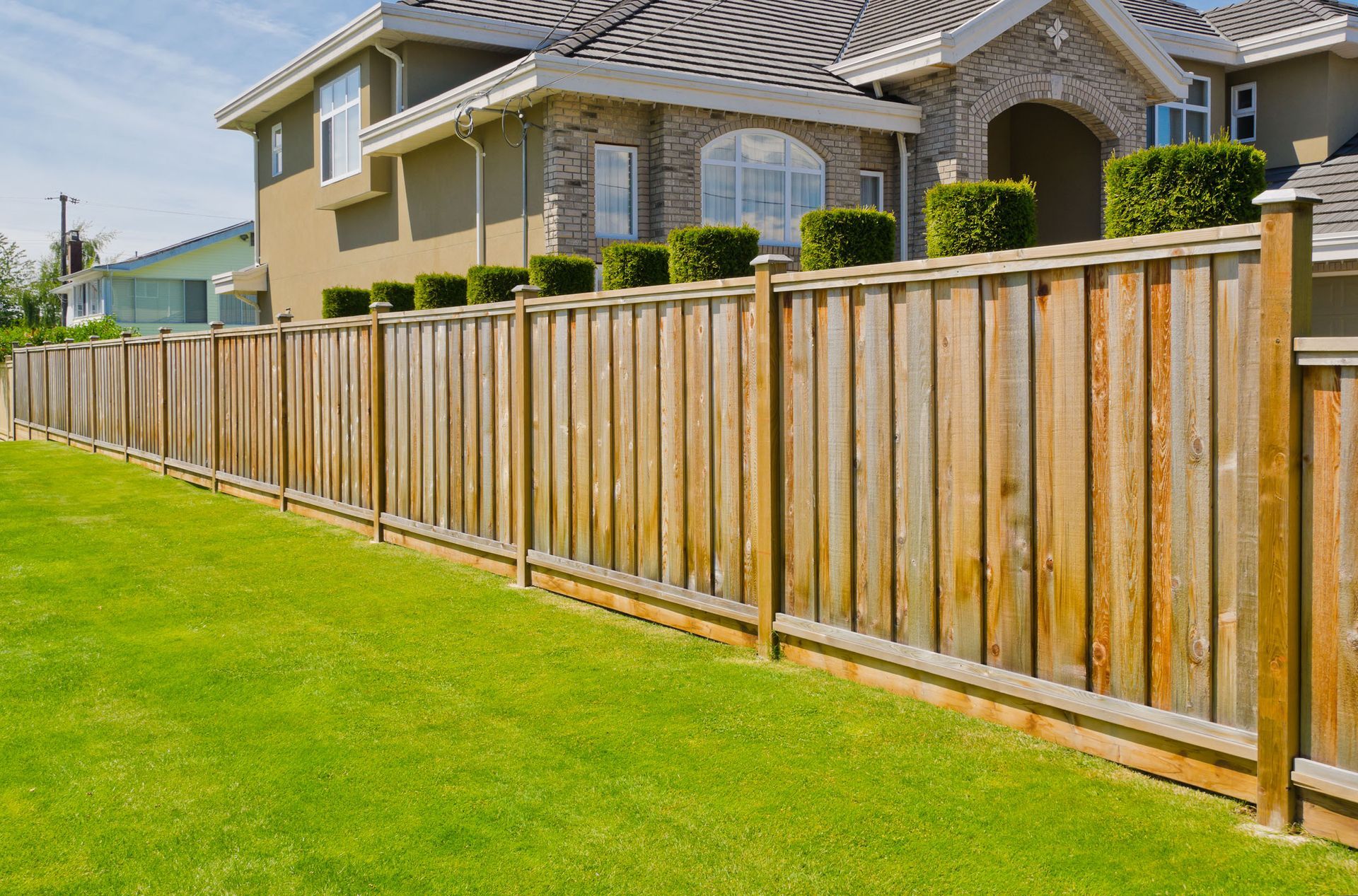
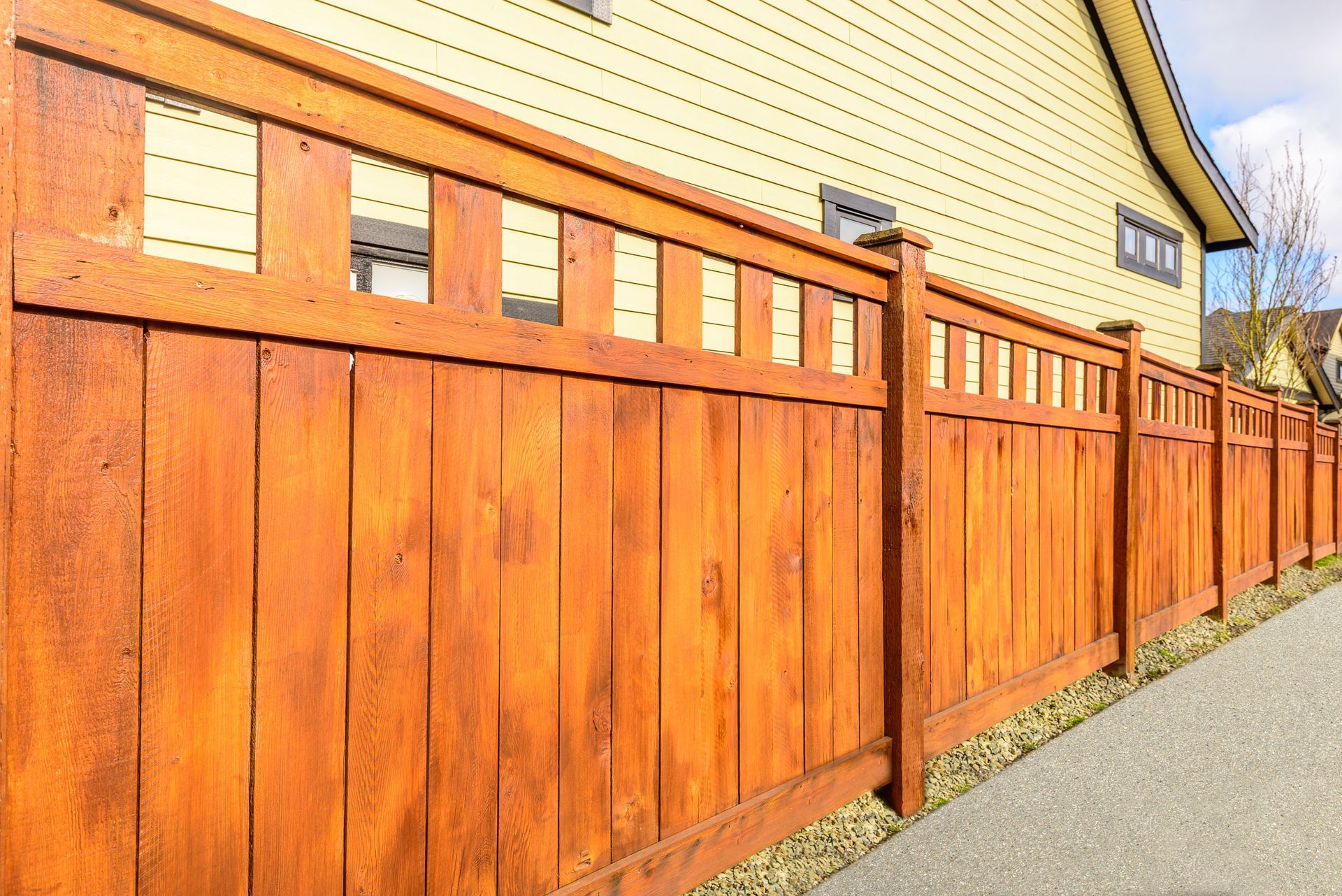
Privacy fencing is commonly constructed with closely positioned or solid panels that limit visibility into a yard. This design can be useful around patios, backyards, outdoor dining areas, and other spaces where homeowners want additional separation from neighboring properties. Decorative tops or contrasting textures can prevent large privacy fences from appearing overly plain while maintaining their primary function.
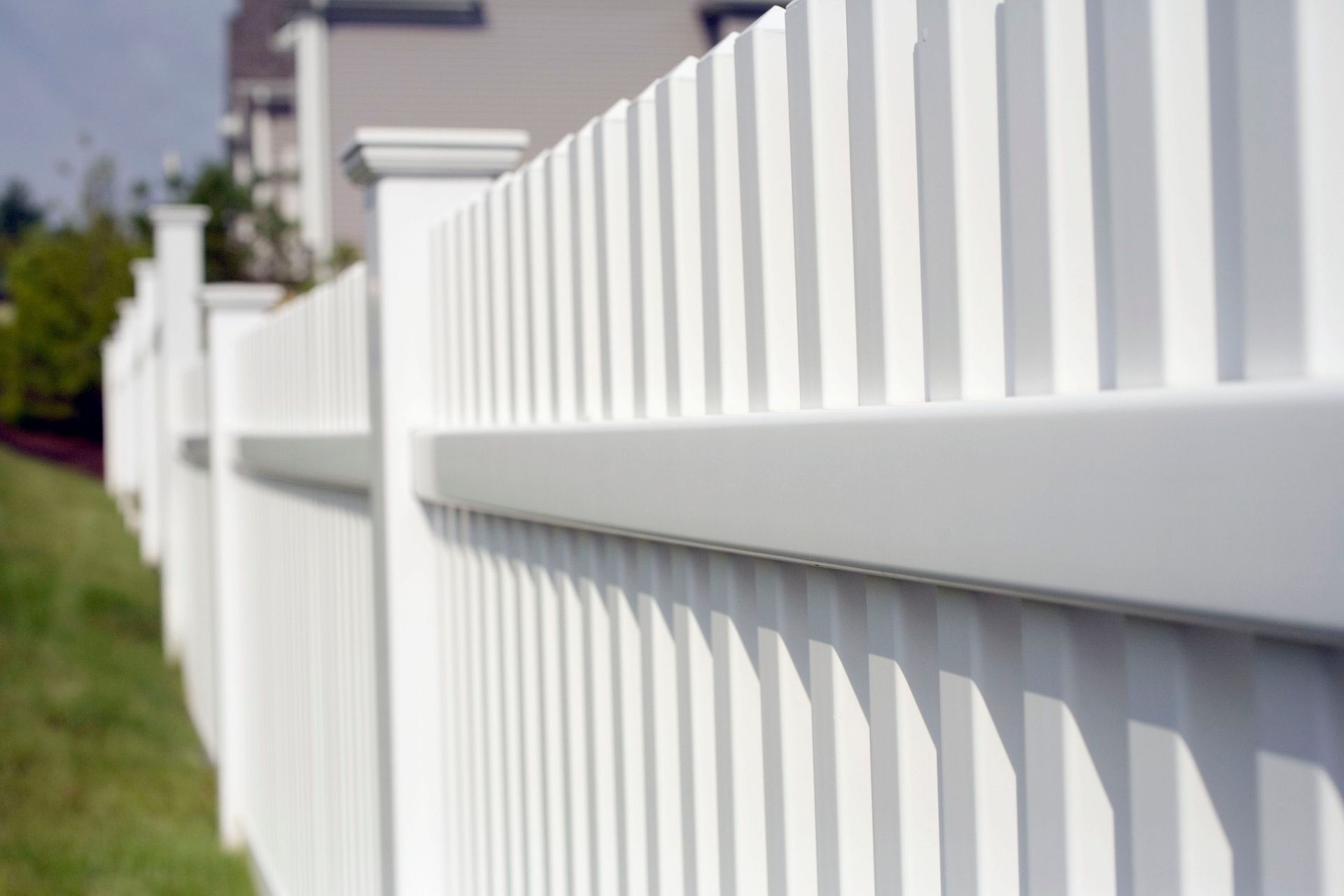
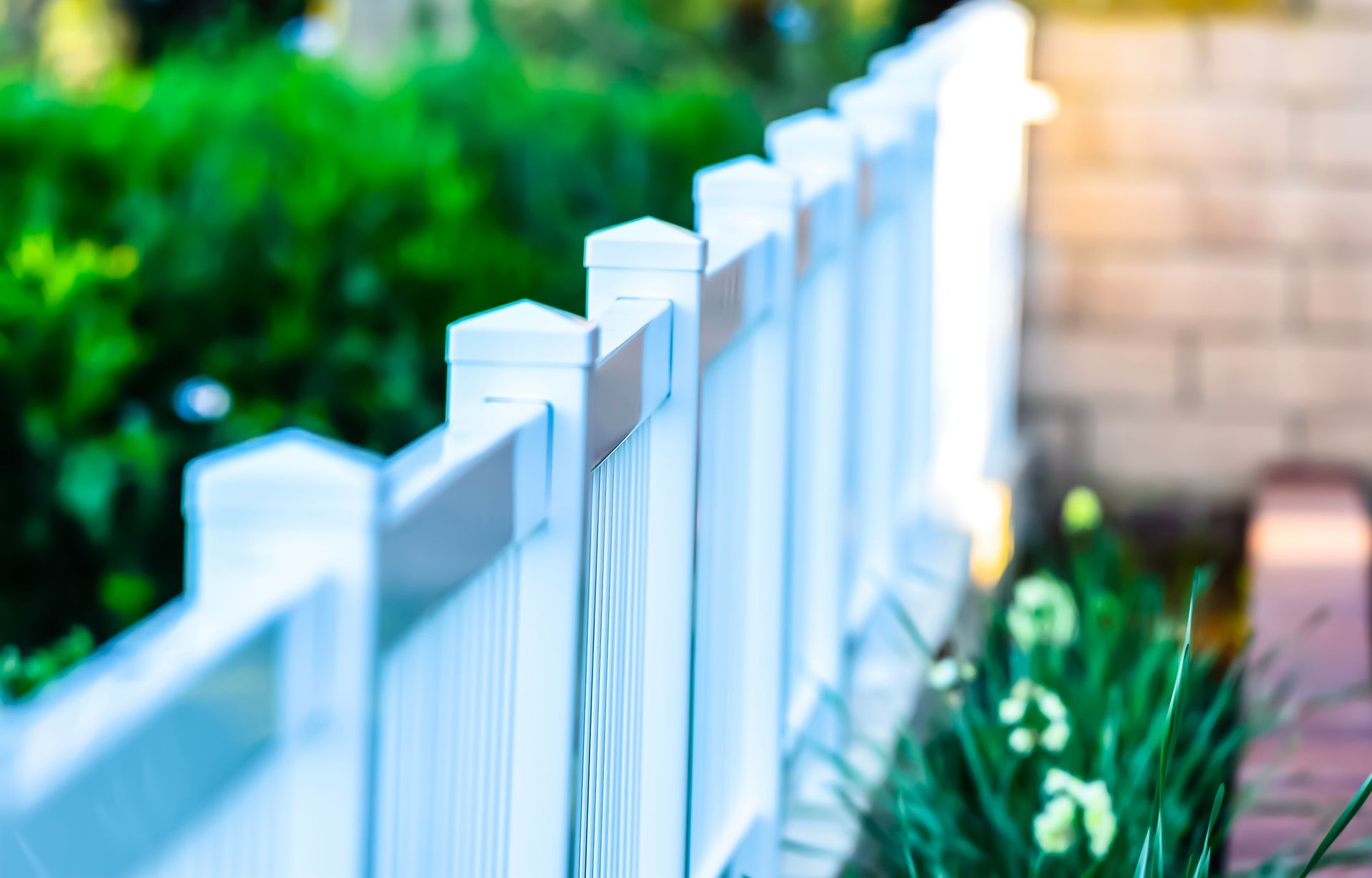
Picket fencing offers a more open appearance and is often used around front yards, gardens, walkways, and decorative landscapes. Vinyl provides the familiar appearance of a traditional picket fence without the routine repainting associated with wood. Semi-privacy designs fall between these two options, incorporating spacing that permits airflow and partial visibility while still creating separation. These choices allow homeowners to select a design based on how they actually use their outdoor space.
Ranch, Post, and Pool Fencing Options
Ranch and post-and-rail styles can complement large residential lots, farms, and rural properties. Two-rail, three-rail, and similar configurations create visible boundaries without completely obstructing views across the landscape. Vinyl versions provide the traditional appearance associated with rural fencing while avoiding many maintenance concerns related to exposed wooden rails.
Vinyl can also be considered for fencing around swimming pools, although applicable building and safety requirements must guide the design. Pool barriers may be subject to rules concerning height, openings, gate placement, latching mechanisms, and other features. Local fence companies familiar with area requirements can help property owners understand which design considerations apply before installation begins. Homeowners should also verify applicable municipal, county, homeowners association, and other requirements for their specific property.
Planning the Fence Installation
A successful installation starts before the first post hole is excavated. Property boundaries should be identified, utilities located, and the proposed fence line evaluated for landscaping, structures, slopes, drainage areas, and other obstacles. Careful preparation helps prevent avoidable complications once construction begins. Gates and access points should also be positioned according to how people, lawn equipment, vehicles, or recreational items move through the property.
Accurate measurements determine the amount of material required and establish consistent spacing between posts. Contractors may use stakes and string lines to create a visible installation path before excavation begins. Working with local fence companies during this stage can be useful because professionals familiar with regional soil and terrain conditions may recognize installation challenges that are not immediately obvious to the homeowner.
Setting Posts and Installing Panels
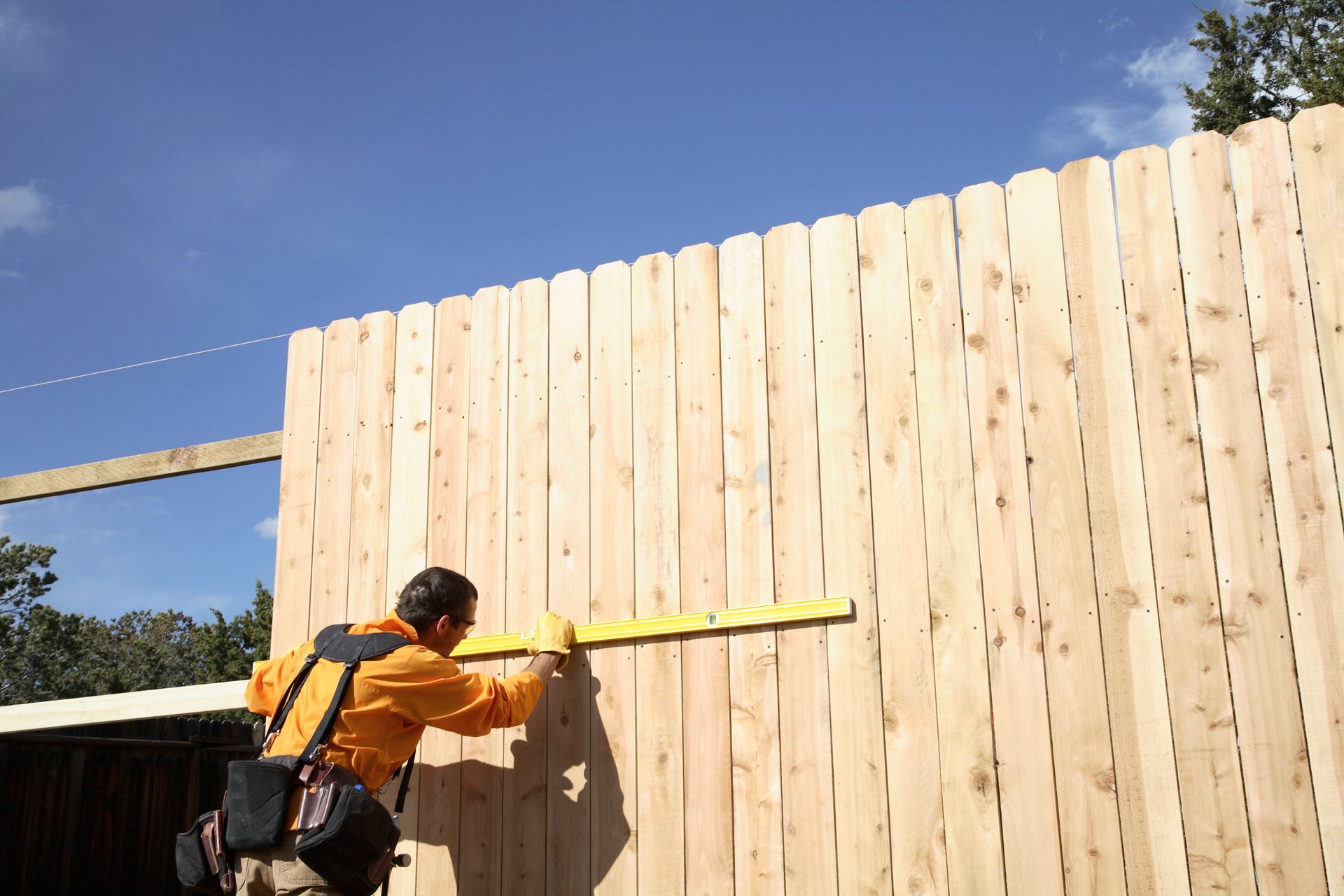
Fence posts form the structural foundation of a vinyl fencing system. Post holes must be appropriately positioned and prepared according to the fence design, manufacturer specifications, and site conditions. Depending on the system, posts may be secured with concrete to provide additional stability. Each post should be checked carefully for alignment before the installation progresses.
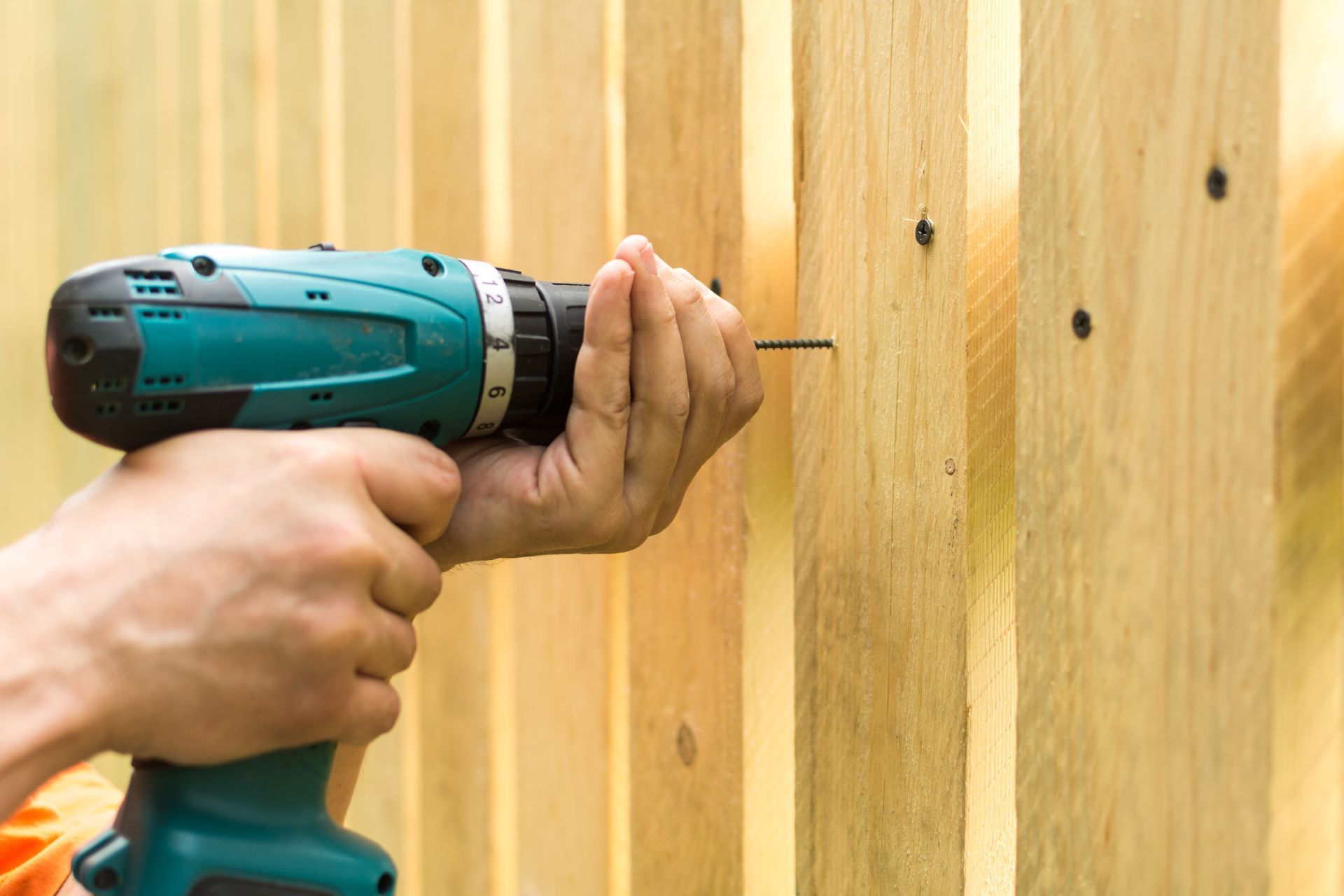
Once the structural supports are ready, rails or panels can be installed according to the specific fence system. Consistent spacing and careful alignment help create a uniform appearance from one end of the property to the other. Gates require additional attention because they must remain properly aligned while opening, closing, and latching repeatedly. Professional installation can help minimize problems such as uneven panels, leaning posts, and poorly functioning gates.
Final Inspection and Quality Checks
After installation, the entire fence should be inspected for alignment, stability, and appearance. Posts and panels should form consistent lines, while gates should move smoothly and latch correctly. Installers should also check for loose components, improperly seated panels, or other details that could affect performance. Addressing these concerns immediately is generally easier than waiting until they become more noticeable.
Reputable local fence companies may also explain basic maintenance procedures and identify components that homeowners should periodically inspect. Keeping installation documents, product information, and warranty details in an accessible location can make future maintenance easier. Homeowners should understand any manufacturer-specific cleaning or repair recommendations before using chemicals or equipment on the fence.
Seasonal Care and Weather Considerations
Seasonal inspections can help homeowners keep vinyl fencing in good condition throughout the year. Spring provides an opportunity to remove winter debris and inspect for weather-related damage. During summer, homeowners can wash away pollen, soil, and grass residue. Autumn maintenance can include clearing leaves and branches from the fence line before colder weather arrives.
Winter conditions can vary considerably by region, but homeowners should avoid piling heavy materials against fence panels. Snow, fallen limbs, or stored outdoor equipment can create unnecessary pressure. Landscaping should also be managed so growing roots or branches do not interfere with posts. These straightforward practices help reduce preventable damage while keeping the property orderly.
Vinyl fencing combines durability, design flexibility, straightforward maintenance, and numerous configuration options for residential properties. Careful planning and professional installation are essential for achieving dependable results. By comparing materials, evaluating property requirements, and working with qualified local fence companies, homeowners can create a fence that supports privacy, security, curb appeal, and everyday outdoor use for years to come. Contact our team at Troyer's Specialty Fencing today and learn more about our fencing services.
Share On: